
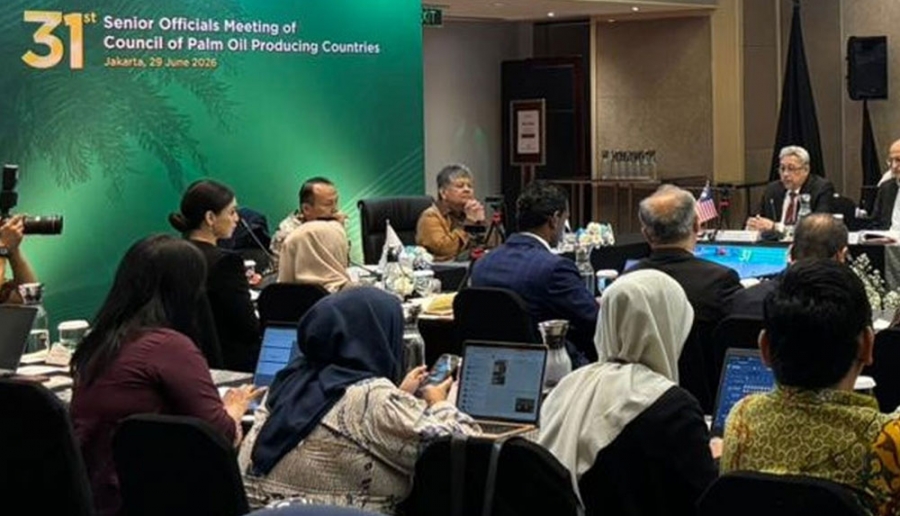
Indonesia is actively reinforcing its economic diplomacy within the global vegetable oil market by spearheading strategic discussions through the Council of Palm Oil Producing Countries (CPOPC). The latest high-level ministerial meetings focus heavily on crafting unified, multilateral responses to pressing global challenges, including tightening international environmental regulations, protectionist trade policies, and evolving sustainability benchmarks imposed by major import destinations such as the European Union and the United States. By aligning strategies with fellow producing nations like Malaysia, Indonesia aims to secure a more equitable global trade environment that recognizes local sustainability certifications.
This diplomatic push serves as a crucial defensive mechanism for Indonesia’s domestic agricultural sector, protecting the livelihoods of millions of smallholders who depend heavily on the palm oil supply chain. Beyond navigating trade barriers, the CPOPC framework emphasizes accelerating technological innovation in downstream processing, promoting bioenergy alternative fuels, and advancing unified carbon-neutral agricultural practices to elevate the industry's long-term market viability. International trade diplomats, agribusiness conglomerates, and commodities analysts should monitor these coordinated policy updates closely, as the collective bargaining power of CPOPC shapes pricing structures and compliance frameworks across the global edible oil market.
Source:
https://voi.id/amp/582492/ri-perkuat-diplomasi-sawit-lewat-pertemuan-cpopc-fokus-hadapi-tantangan-global


